Problem Gambling & Gaming Awareness
Understanding the odds of gambling
What is Problem Gambling?
As the dedicated Local Prevention Council in the Region 1 School District, NCPN aims to increase problem gambling/problem gaming prevention efforts throughout Canaan, Cornwall, Kent, North Canaan, Salisbury, and Sharon.
NCPN works closely with the Region 5 Problem Gambling Awareness Team to increase awareness, reduce risk factors, strengthen protective factors, and collaborate with the community to prevent youth
Gambling is any act that involves risking money or valuables on the outcome of a game or contest that is mostly determined by chance. The act of gambling, and the feeling of not knowing whether a win will occur, releases neurotransmitters called dopamine. Dopamine, a “feel-good” neurotransmitter, gives the brain the motivation to continue doing something that prompts its release, which forms the “reward system” in our brain. The things that bring us pleasure are encouraged to be repeated, whether they are harmful or not.
Sometimes, the actions that release a large quantity aren’t always healthy; seeking dopamine from disruptive behaviors can be harmful, even if the dopamine makes a person feel good.
What is Problem Gaming?

Problem gaming similarly, occurs when a person becomes dependent on seeking dopamine from video games. A person who is experiencing problem gaming typically experiences the same basic symptoms as a person who is experiencing problem gambling:
- jeopardized relationships or lost educational and career opportunities
- lying to conceal losses or involvement with gambling/gaming
- reoccupation during nongaming/nongambling hours
- unsuccessful attempts to decrease the amount of gambling/gaming or quit it entirely
- restlessness or irritability during such attempts
Gambling and Gaming Fact Sheets
Connecticut Problem Gambling Resources:
- CT Council for Problem Gambling
- MCCA
- National Council on Problem Gaming
- Help & Treatment: NCPG
- CT Gambling & Gaming
- Region 5 Problem Gambling Awareness Team
- Western CT Coalition
- Western CT Coalition’s Newsletter on Financial Literacy as a protective factor and other problem gambling resources Access HERE

The Strategic Prevention Framework
The Strategic Prevention Framework (SPF)
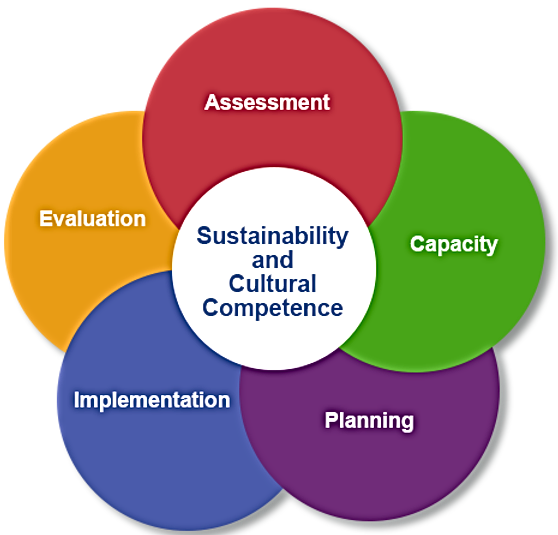
Prevention professionals use SAMHSA’s Strategic Prevention Framework (SPF) as a comprehensive guide to plan, implement, and evaluate prevention practices and programs
About The SPF
SAMHSA’s Strategic Prevention Framework (SPF) is a planning process for preventing substance use and misuse. The five steps and two guiding principles of the SPF offer prevention professionals a comprehensive process for addressing the substance misuse and related behavioral health problems facing their communities. The effectiveness of the SPF begins with a clear understanding of community needs and involves community members in all stages of the planning process.