Our Prevention Efforts

Underage Drinking

Cannabis

Nicotine/Vaping

Mental Health

Opioids & Prescription Medications

Problem Gambling Awareness

Trauma-Informed Community Training
What is Prevention?
Substance use prevention strategies take an upstream approach, in which the goal is to prevent substance use before it starts by educating and supporting individuals and families by promoting efforts that contribute to widespread positive community change. (Source: SAMHSA)
The adolescent brain is particularly vulnerable to the negative and long-lasting impacts of substance use. It is crucial to work to delay the onset of use as much as possible, which is a vital goal of the upstream approach. Prevention efforts play a crucial role in promoting healthy choices and minimizing the risks associated with substance use.
Substance use prevention coalitions use strategies that focus on enhancing decision-making skills and strengthening emotional well-being and resiliency. They also prioritize informing youth and families about the risk factors that contribute to early substance use, as well as the protective factors that reduce the risks.
There are many different types of drug prevention programs. Some programs focus on teaching people about the dangers of drugs, while others focus on helping people develop coping skills to deal with stress and other challenges that might lead to drug use. Drug prevention programs can be delivered in a variety of settings, including schools, and community centers.
The members of NCPN collaborate with community members to prevent youth substance use and promote mental wellness across generations.
Our efforts and programs are driven by detailed youth survey data and community feedback.
The Strategic Prevention Framework (SPF)
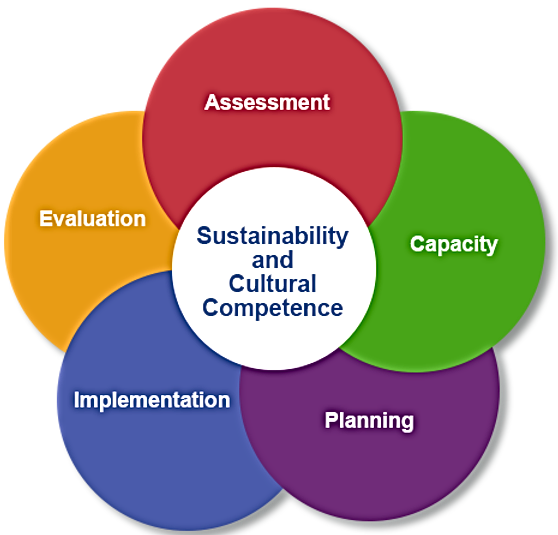
Prevention professionals use SAMHSA’s Strategic Prevention Framework (SPF) as a comprehensive guide to plan, implement, and evaluate prevention practices and programs
About The SPF
SAMHSA’s Strategic Prevention Framework (SPF) is a planning process for preventing substance use and misuse. The five steps and two guiding principles of the SPF offer prevention professionals a comprehensive process for addressing the substance misuse and related behavioral health problems facing their communities. The effectiveness of the SPF begins with a clear understanding of community needs and involves community members in all stages of the planning process.