Underage Drinking
Alcohol Awareness Can Make A Difference
Alcohol Myths & Facts
Children see and hear a lot about alcohol—from TV, movies, music, social media, and their friends. But what are the facts?
Here are some common myths and facts about alcohol use.


Having the Talk: Your child's first year of college - what to expect when it comes to alcohol
Talk. They Hear You!
“Talk. They Hear You.” mobile app helps parents and caregivers prepare for some of the most important conversations they may ever have with their kids. It shows them how to turn everyday situations into opportunities to talk with their children about alcohol and other drugs, and equips them with the necessary skills, confidence, and knowledge to start and continue these conversations as their kids get older. The app also helps prepare communities to implement and promote the campaign locally and educators to engage student assistance professionals, school leaders, and families in supporting the needs of students who may be struggling with substance use, mental health, or school-related issues. The “Talk. They Hear You.” campaign mobile app is available on the App Store, Google Play, and the Microsoft Store. (Source SAMHSA)
Social Hosting: Know the Law!
Connecticut Social Host Law
Connecticut has a strict “Social Host” or “House Party” law, passed in 2021, that holds parents and property owners liable for underage drinking and/or cannabis use that occurs in their homes.
The law prohibits anyone who owns or controls private property, including a dwelling unit, from recklessly, or with criminal negligence, permitting anyone under age 21 to illegally possess alcohol in the unit or on the property. Existing law prohibits knowingly allowing such possession.
The law also requires any such person who knows that a minor possesses alcohol illegally to make reasonable efforts to stop it. The act extends liability for failure to halt possession to a person who acts recklessly or with criminal negligence.
The penalty for violation is a class A misdemeanor, punishable by a maximum one year imprisonment or up to a $2000 fine.
The Person in control does not have to be present, does not have to be aware of the drinking, nor do they have to be an adult to be held liable.
![DMHAS_LEO_Cheat_Sheet__1_[45]_Page_2](https://ncpncoalition.org/wp-content/uploads/2025/11/DMHAS_LEO_Cheat_Sheet__1_45_Page_2-scaled.jpg "DMHAS_LEO_Cheat_Sheet__1_[45]_Page_2")
![DMHAS_LEO_Cheat_Sheet__1_[45]_Page_1](https://ncpncoalition.org/wp-content/uploads/2025/11/DMHAS_LEO_Cheat_Sheet__1_45_Page_1-scaled.jpg "DMHAS_LEO_Cheat_Sheet__1_[45]_Page_1")
The Strategic Prevention Framework
The Strategic Prevention Framework (SPF)
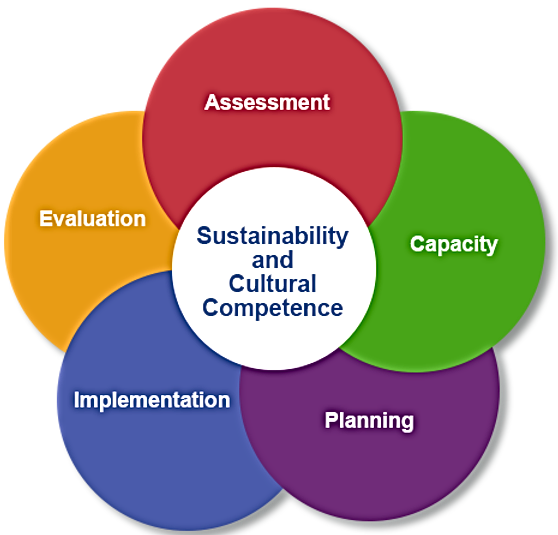
Prevention professionals use SAMHSA’s Strategic Prevention Framework (SPF) as a comprehensive guide to plan, implement, and evaluate prevention practices and programs
About The SPF
SAMHSA’s Strategic Prevention Framework (SPF) is a planning process for preventing substance use and misuse. The five steps and two guiding principles of the SPF offer prevention professionals a comprehensive process for addressing the substance misuse and related behavioral health problems facing their communities. The effectiveness of the SPF begins with a clear understanding of community needs and involves community members in all stages of the planning process.